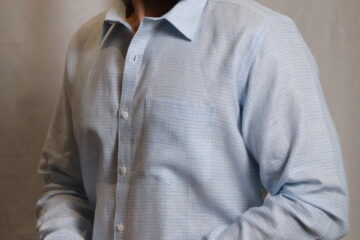
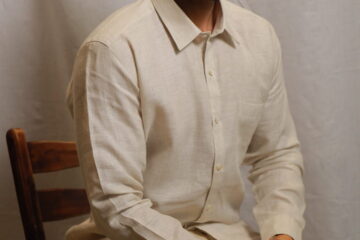
Sustainability in menswear is no longer a marketing statement. It has become a measurable expectation across global retail markets. Buyers, distributors, and end consumers are asking sharper questions about fabric sourcing, durability, environmental impact, and long-term value. In this landscape, material choice is not just about aesthetics. It directly influences brand credibility and supply chain responsibility.
Among natural fibers used in premium menswear, linen consistently stands out for both environmental performance and commercial strength.
What Defines a Sustainable Fabric?
True sustainability extends beyond using a natural fiber. It includes water consumption, agricultural impact, chemical dependency, durability, and end-of-life decomposition. A fabric can only be considered responsible if it performs well across multiple stages of its lifecycle.
Linen is derived from the flax plant, which typically requires significantly less irrigation compared to cotton. It grows efficiently in moderate climates and demands fewer chemical inputs. These agricultural characteristics give linen a lower ecological footprint from the very beginning of production.
Lower Resource Consumption
Water usage remains one of the largest environmental concerns in textile manufacturing. Cotton cultivation is often criticized for its heavy water dependency. Flax, on the other hand, is less water-intensive and more resilient.
This distinction is particularly relevant as global regulations increasingly focus on responsible resource management. Brands investing in linen align themselves with long-term environmental accountability without compromising on product quality.
Durability and Longevity
Sustainability is directly tied to how long a garment lasts. A shirt that maintains structure and comfort over several years reduces replacement frequency and overall textile waste.
Linen fibers are naturally strong and resistant to abrasion. With proper weaving and finishing techniques, premium linen garments retain their integrity while gradually becoming softer with wear. This unique aging process strengthens linen’s position within the slow fashion movement, where longevity is prioritized over seasonal turnover.
For retailers and B2B buyers, durability translates into enhanced consumer trust and reduced product dissatisfaction.
Breathability and Climate Performance
In warm and humid regions such as India, Southeast Asia, the Middle East, and parts of Africa, climate relevance becomes critical. Linen’s fiber structure allows consistent airflow and moisture release. This natural breathability reduces discomfort and enhances wearability during long hours.
As global search trends for breathable natural fabrics for men and sustainable summer clothing continue to rise, linen answers both comfort and environmental concerns in one material solution.
Biodegradability and Environmental End-of-Life
Synthetic fabrics contribute heavily to landfill accumulation and microplastic pollution. Linen, being plant-based, decomposes naturally under the right conditions without releasing harmful residues.
In a fashion industry increasingly moving toward circular production models, biodegradability is not an optional advantage. It is becoming a compliance factor. Linen supports this direction while maintaining premium visual appeal.
Commercial Positioning in Premium Menswear
Sustainability alone does not guarantee commercial success. The fabric must also deliver aesthetic value. Linen carries a perception of authenticity and understated luxury. Its natural texture communicates craftsmanship rather than mass production.
For brands operating in the premium menswear segment, this perception strengthens market positioning. Linen garments project quality, maturity, and intentional design without overt embellishment.
Is Linen the Best Sustainable Fabric?
No single fabric is entirely impact-free. However, when evaluated across water efficiency, agricultural footprint, durability, climate adaptability, biodegradability, and market perception, linen remains one of the most balanced choices available in menswear today.
It combines environmental responsibility with refined design capability. For brands and retailers seeking long-term relevance in a more conscious market, linen provides both credibility and commercial strength.
Rock Apparels works extensively with premium linen fabrics to create refined shirts, kurtas, and menswear collections aligned with responsible production and elevated craftsmanship. To explore thoughtfully developed linen apparel for retail and export markets, visit https://rockapparel.co.in/