As linen becomes increasingly popular in India, the market is also seeing a rise in low-quality linen blends being sold as premium products.
Many consumers purchase garments labeled as “linen” only to realize later that the fabric lacks breathability, durability, and comfort during actual use.
Understanding how to identify pure linen fabric has become essential for buyers who want genuine performance rather than marketing claims.
Why Pure Linen Matters
The difference between pure linen and blended fabrics is significant, especially in Indian weather conditions.
Pure linen offers:
- Better airflow
- Faster moisture evaporation
- Superior comfort
- Improved durability
- More natural texture
Blended fabrics may reduce wrinkling, but they often compromise the very qualities that make linen valuable.
The Texture Test
One of the easiest ways to identify pure linen is through texture.
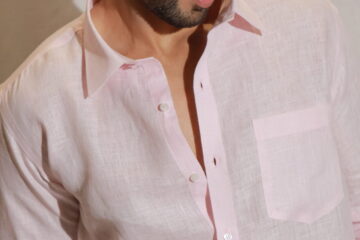
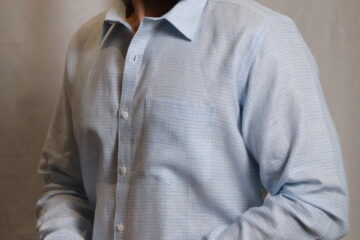
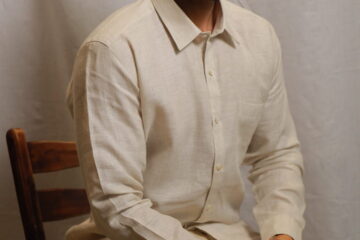
Pure linen does not feel overly smooth or synthetic. Instead, it has a slightly uneven and natural texture because flax fibers are less uniform compared to synthetic materials.
This subtle irregularity is often a sign of authenticity rather than poor quality.
Understanding Linen Wrinkles
Many buyers mistakenly assume wrinkles indicate poor fabric quality.
In reality, linen wrinkles naturally because flax fibers have lower elasticity. This characteristic is actually associated with authentic linen and premium casual fashion globally.
If a garment marketed as linen appears completely wrinkle-free, there is a strong possibility it contains synthetic blends.
The Cooling Effect Test
Pure linen feels noticeably cooler when touched.
This happens because linen fibers allow better heat dissipation compared to many other fabrics. During wear, this cooling effect becomes even more noticeable in warm and humid conditions.
Blended fabrics often fail to replicate this experience.
Check the Fabric Label Carefully
One of the simplest yet most ignored steps is reading the composition label properly.
Look specifically for:
- 100% Linen
- Pure Linen
- European Flax Linen
Be cautious of labels mentioning:
- Linen blend
- Cotton linen
- Poly linen
These fabrics may still look visually similar but perform very differently during wear.
Why Many Buyers Get Confused
Modern textile finishing techniques can make blended fabrics visually resemble pure linen.
This creates confusion because appearance alone is not always enough to identify authenticity.
The true difference becomes visible after wearing the garment for several hours in real conditions.
Pure linen remains breathable and airy, while lower-quality blends often begin trapping heat and moisture.
The Growing Awareness Around Fabric Quality
Indian consumers are becoming increasingly informed about fabric selection.
Search trends now show rising interest in:
- Pure linen shirts
- Breathable menswear
- Linen fabric guide
- Best linen for summer
- Premium linen clothing
This reflects a broader shift toward quality-driven purchasing decisions.
Why Premium Linen Brands Focus on Authentic Fabrics
Specialized linen brands are increasingly emphasizing genuine fabric quality rather than purely visual styling.
Rock Apparels is part of this movement toward breathable premium menswear built around fabric performance, comfort, and long-term usability in Indian conditions.
As consumers become more fabric-conscious, authenticity is becoming one of the biggest differentiators in modern menswear.
Final Thoughts
Identifying pure linen fabric is not difficult once buyers understand what to look for.
Texture, breathability, natural wrinkling, cooling effect, and fabric composition all help distinguish authentic linen from low-quality alternatives.
As linen continues becoming a dominant category in premium menswear, informed buyers are increasingly prioritizing real performance over superficial branding.