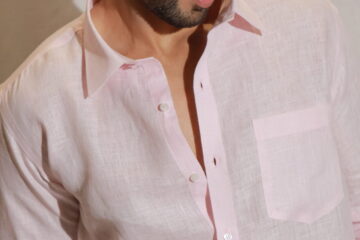
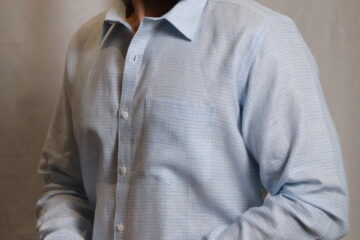
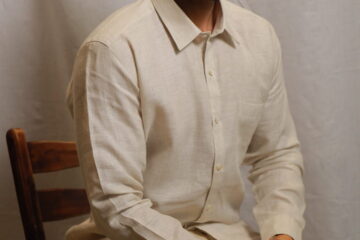
Wrinkling is often cited as linen’s primary challenge. Yet, this characteristic is inseparable from its natural fiber composition. The goal is not to eliminate creasing entirely but to manage it in a way that preserves both structure and fabric longevity.
Understanding why linen wrinkles is the first step toward maintaining its refined appearance.
Why Linen Naturally Creases
Linen fibers have low elasticity. Unlike synthetic fabrics that stretch and rebound, linen maintains firmness. This structural rigidity contributes to breathability and durability but also leads to visible creasing.
However, excessive wrinkling is often the result of improper washing, drying, or low-grade fabric quality rather than an inherent flaw in linen itself.
Search trends such as “how to stop linen from wrinkling” and “best way to iron linen shirts” reflect widespread interest in maintaining linen’s polished look.
Washing Linen Correctly
Proper washing significantly reduces unnecessary creasing. Linen should be washed in cold or lukewarm water with mild detergent. High agitation cycles increase friction, which can deepen wrinkles and stress fibers.
Avoid overloading the washing machine. Linen requires space to move gently. Excess compression during washing creates sharper fold lines that are more difficult to smooth later.
Gentle handling preserves fiber alignment and maintains the fabric’s integrity over time.
Drying Techniques That Preserve Structure
Air drying is preferable to high-heat machine drying. Hanging linen garments on structured hangers allows gravity to minimize wrinkles naturally. Smoothing the fabric by hand before drying also reduces crease intensity.
Tumble drying at high heat may shrink fibers slightly and increase stiffness. Controlled drying methods help maintain softness and form.
Ironing Without Weakening Fibers
Iron linen while it is slightly damp. Medium heat combined with steam helps relax fibers effectively. Ironing completely dry linen at excessive heat can weaken the material over time.
Focus on structured areas such as collars, cuffs, and plackets first. These zones influence overall presentation more than minor body creases.
Premium linen garments typically require less aggressive ironing due to superior weaving and finishing techniques.
Choosing Higher Quality Linen
Fabric quality directly affects wrinkle behavior. Higher-grade linen woven with balanced density creases in a softer, more controlled manner. Lower-quality linen may produce sharp, uneven wrinkles.
For brands and retailers, sourcing premium linen reduces customer dissatisfaction related to excessive creasing. Quality construction plays as important a role as care technique.
Natural creasing is part of linen’s identity. When managed correctly, it communicates authenticity rather than carelessness.
Rock Apparels crafts premium linen shirts and garments designed to balance texture with structure. To explore thoughtfully constructed linen menswear, visit https://rockapparel.co.in/