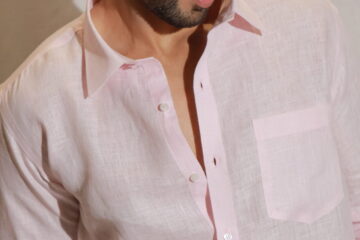
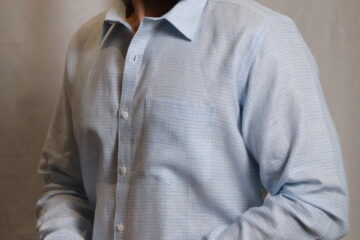
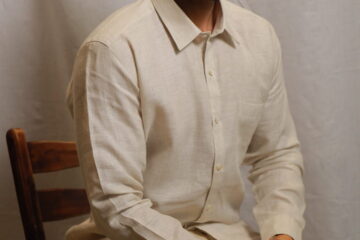
Linen occupies a unique position in the world of textiles. While many fabrics lose structure, fade, or weaken with repeated wear, linen evolves. It softens without collapsing, gains character without appearing worn, and maintains structural integrity across years of use. This aging quality is one of the reasons premium menswear brands continue to invest in linen as a core fabric.
Understanding why linen improves with time requires a closer look at its fiber structure and manufacturing process.
The Strength of Flax Fibers
Linen is derived from the flax plant, and flax fibers are naturally strong and resilient. Compared to standard cotton fibers, linen fibers are thicker and more durable. This strength contributes to higher tensile resistance, meaning the fabric withstands stress and repeated washing without breaking down easily.
Because of this durability, linen garments often last significantly longer than many synthetic blends or lightweight cotton weaves. Consumers increasingly search for terms such as “how long do linen shirts last” and “is linen more durable than cotton,” reflecting a shift toward investment dressing rather than disposable fashion.
Softening Without Losing Structure
One of linen’s most distinctive qualities is how it softens over time. With repeated washing and wear, the fibers relax. However, unlike fabrics that become limp or lose shape, linen maintains its core strength.
This balance between softness and structure is what gives aged linen its refined comfort. Premium linen shirts, when woven with quality yarn and finished correctly, gradually develop a smooth hand feel while retaining a clean silhouette.
For retailers and B2B buyers, this characteristic enhances long-term customer satisfaction. A garment that feels better after multiple wears reinforces perceptions of quality.
The Aesthetic Evolution of Linen
Linen’s aging process also influences its visual appeal. The natural texture becomes more pronounced yet more fluid. Subtle creases appear less sharp and more integrated into the fabric’s overall character.
In premium menswear, this organic texture communicates authenticity. It contrasts with overly processed fabrics that may look uniform but lack depth. Consumers seeking understated elegance increasingly prefer garments that feel lived-in rather than artificially crisp.
Search behavior around “premium linen shirts” and “natural fabric menswear” continues to grow, suggesting appreciation for fabrics that mature gracefully.
Longevity and Sustainability
Durability contributes directly to sustainability. A linen garment that lasts several years reduces replacement frequency and overall resource consumption. In a fashion industry facing increasing scrutiny over environmental impact, longevity becomes a strategic advantage.
Unlike synthetic fabrics that degrade unevenly, linen maintains consistency over time. Its ability to endure frequent wear aligns with the slow fashion movement, which emphasizes quality over volume.
For brands focused on responsible production and premium positioning, linen’s lifespan strengthens both environmental credibility and commercial value.
Investment Dressing in Modern Menswear
Modern consumers are moving toward curated wardrobes. Instead of accumulating multiple low-cost items, they seek fewer pieces with greater versatility and durability.
Linen shirts and kurtas fit naturally into this approach. They can be styled across seasons, layered when necessary, and worn in both formal and relaxed settings. As the fabric softens, it becomes even more comfortable, increasing repeat wear.
This evolution from structured crispness to relaxed refinement is not deterioration. It is maturing.
Rock Apparels integrates high-quality linen fabrics into thoughtfully constructed menswear designed for durability and evolving comfort. To explore linen garments that improve with time, visit https://rockapparel.co.in/